
He did not study open innovation. He is one of the scholars who defined it.
In the room, he is the lens: the frame that shows a leadership team where its advantage is quietly being relocated.
A three-day executive program on renewal in the age of AI, set inside a Singapore rainforest.
Most transformation programs teach leaders to run the old game faster. They add a tool, automate a step, and call it strategy. The deeper shift underway is not that tasks are getting easier. It is that the systems those tasks live in are quietly losing their reason to exist, and with them the sources of advantage a business was built on.
A faster approval step is a task-level gain. A world where approval is no longer the bottleneck is a renewal question, and it demands a redesign of the process, the role, and often the org chart around it. Leaders who cannot tell the two apart spend the next decade defending a position that is already moving.
The question is never whether AI can do a task, but whether AI makes the system that task lives in obsolete.
The only executive program where the person who wrote the frameworks and the person who ran the P&L teach the same three days.
He did not study open innovation. He is one of the scholars who defined it.
In the room, he is the lens: the frame that shows a leadership team where its advantage is quietly being relocated.
He did not write about building ventures. He built them, and ran the operating models the frameworks predict.
In the room, he is the build: the operator who turns a strategy into a venture, a capital plan, and a first move.
Each day is a stage, and each stage ends with the room holding something it can act on.
Diagnose whether the shift facing the business is task-level or systemic, and map where its advantage is being relocated. Reframe what the firm actually sells when data makes outcomes measurable.
Turn the diagnosis into a defensible operating model: platform governance, partner coupling, and the agentic operating model, the rails for humans and AI agents working side by side.
Take frontier capability to market, get investor-ready, and leave with a sequenced first move, pressure-tested with a sitting deep-tech operator and a guest founder or investor.
Not a lecture series. Each block pairs a short, expert-led reframing with a practical tool participants apply to their own business, in the room. Leave with completed artifacts, not notes to write up later.
The renewal lens applied to their own industry, and a clear read on whether the change they face is task-level or systemic.
Their three strongest advantages plotted against where digital technology is reinforcing, eroding or relocating each one.
An agentic operating model, a governance and coupling design, and a business-model twist scored against real internal inertia.
For those with a venture in play, a commercialization roadmap and an investor-readiness read from someone who has raised and shipped.
The first four steps in order, decision rights assigned, pressure-tested with two people who have built it before.
Corporate executives, transformation leaders and senior management teams come to sharpen their AI strategy and rethink how their organisation must change. They learn to diagnose where AI can create strategic value, redesign the processes and structures needed to capture it, and move from transformation plans to concrete AI-enabled initiatives.
Start-up founders, venture builders and corporate-venturing teams come to accelerate the commercialisation and scaling of AI and deep-tech ventures. They learn how to strengthen their business model, attract resources and partners, and build a defensible strategic position as their venture grows.
Established companies and ventures approach AI from different starting points, and each holds what the other lacks. Corporate leaders know how to transform complex organisations but often struggle to turn strategy into new business. Founders build quickly but need the structure to scale. Three days in the same room closes both gaps.

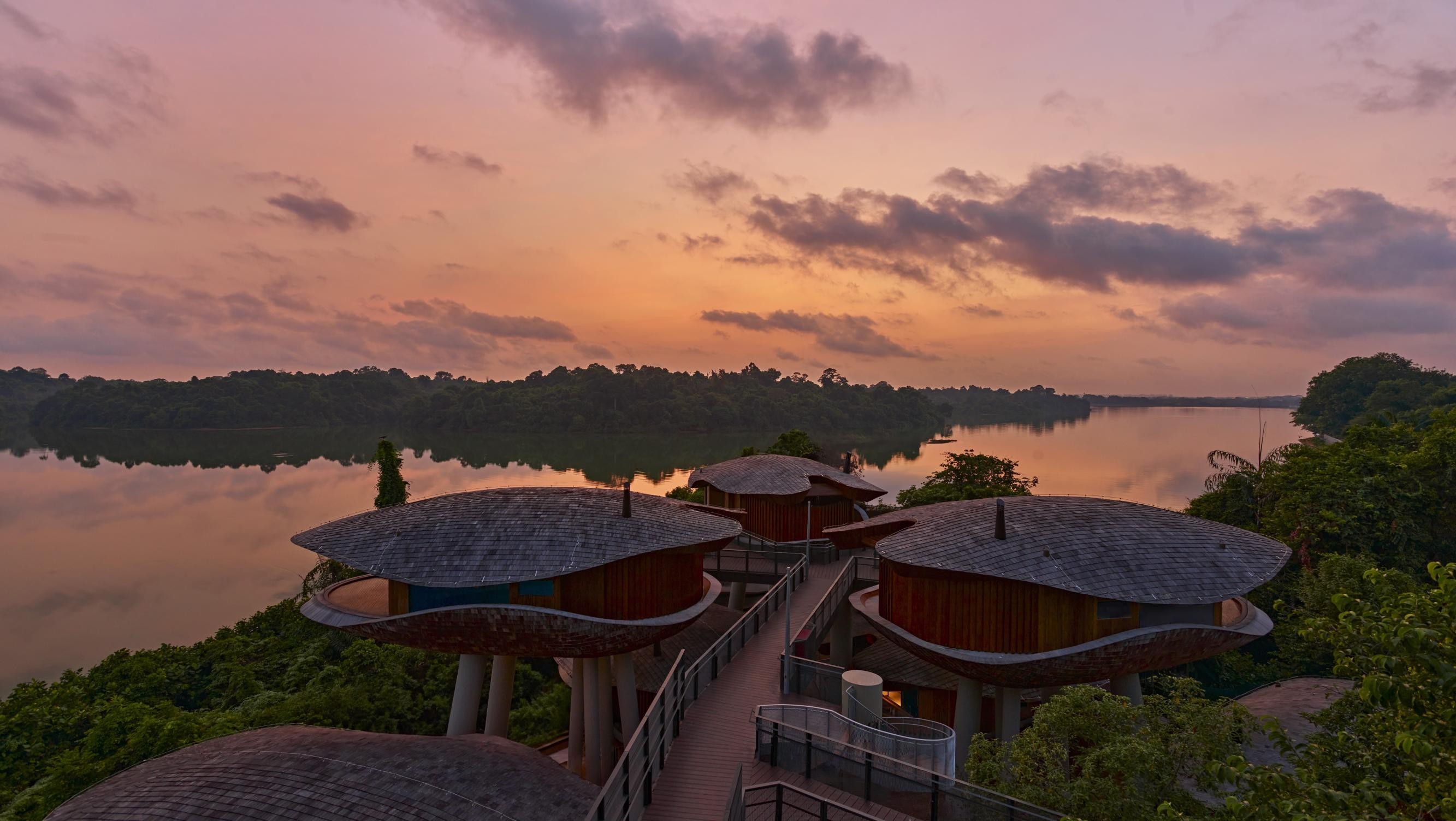
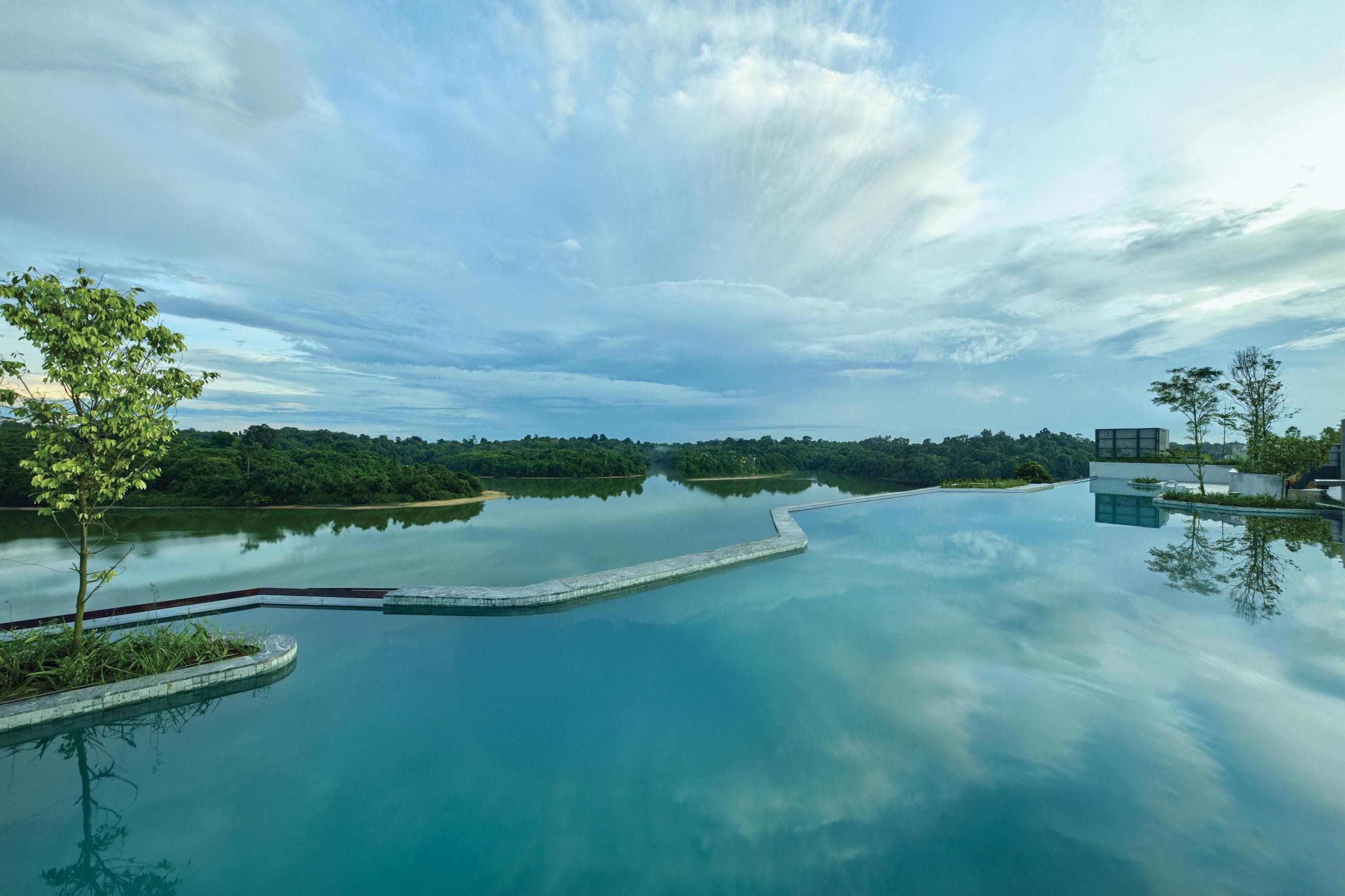
Set within the Mandai Wildlife Reserve and overlooking the Upper Seletar Reservoir, Mandai Rainforest Resort by Banyan Tree places the cohort inside a living rainforest, minutes from the city yet a world away from it. The setting is not a backdrop. It is part of the method: a place designed for the kind of thinking that does not happen in a downtown ballroom.
A top-tier executive program, priced for what it is: three days with two principals who wrote the frameworks and ran the P&L, a cohort capped at 20, and a rainforest resort that becomes part of the method. Tuition covers the teaching, all daytime food and beverage, the complete ten-tool system, and one signature group dinner.
The full program at a rate reserved for leaders who commit early. Same three days, same two principals, same ten-tool system. Our way of recognising the clients who move first.
Two principals teaching the same three days, a cohort capped at 20, the complete applied toolkit, and a rainforest resort that becomes part of the method.
Everything in the program, plus a period of direct access to the principals after it ends: priority advisory time to pressure-test the first moves as they meet the market. Scope and availability by arrangement, conditions apply.
Rooms are booked directly by each participant at a preferential cohort rate, not included in tuition. Optional add-ons include a welcome dinner and a Night Safari group dinner. Figures in US dollars, excluding applicable taxes.

Built to Renew runs as a small, deliberately capped cohort. The first session confirms once a minimum of fifteen participants is reached. We are probing an early-December 2026 slot, with March 2027 the likely first session. Register your interest to hold a place and receive confirmed dates first.